

Industrial sector
Production sites, logistics warehouses, stations and infrastructure: energy-intensive processes and large buildings to run as efficiently as possible.
Expand a building type to see its challenges and our solutions.
Building types
Transport and infrastructure
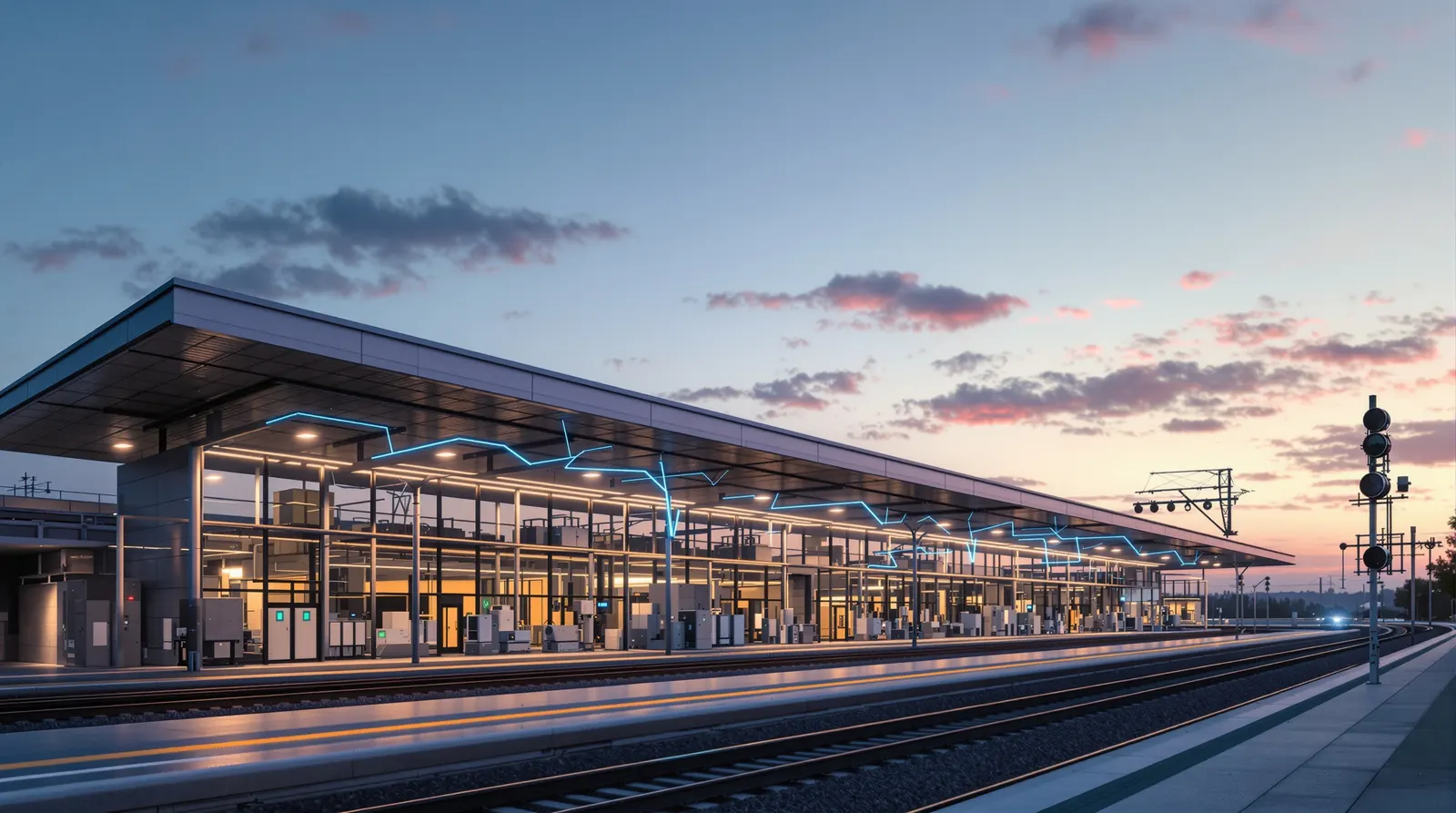
Transport and infrastructure: energy monitoring of critical equipment
Depots, stations, transit systems: measure, monitor and alert, with appropriate cybersecurity.
Your challenges

Critical equipment
Assets that need continuous monitoring.

Unknown consumption
Little detailed metering per asset.

Cybersecurity
Strict requirements on networks and data.
The Kipsum solution
- Sensor-based monitoring over LoRa and 4G networks
- Alarms and reports in KiBoard
- APIs to feed data to the client’s own systems
Regulations
Tertiary decree. Tertiary buildings in transport infrastructure (stations, depots, operations offices) of 1,000 m² or more are covered. Targets: −40% consumption by 2030, −50% by 2040, −60% by 2050, with an annual declaration on OPERAT.
BACS decree. If the heating or cooling system exceeds 290 kW, a BMS of at least class C has been mandatory since 1 January 2025; above 70 kW, the deadline is 1 January 2030. All about the BACS decree
Specific to transport. The European NIS 2 directive strengthens cybersecurity requirements for transport sector entities. Kipsum’s architecture limits exposure: outbound flows only, no inbound port, encrypted exchange. Data security
Client result
Our measured results, in other sectors: −14% on an industrial site, −20% on a logistics warehouse, −28% on a school complex, with payback under one year. See our case studies
Frequently asked questions
Can isolated equipment be monitored without a network?
Yes: sensors communicate over LoRa or 4G, without connecting to the site’s IT network.
Can the data feed our own systems?
Yes: an API sends measurements and alarms to the customer’s tools.
How are alarms handled?
KiBoard prioritises alarms and sends them by email or SMS to the right teams.
Industry and utilities
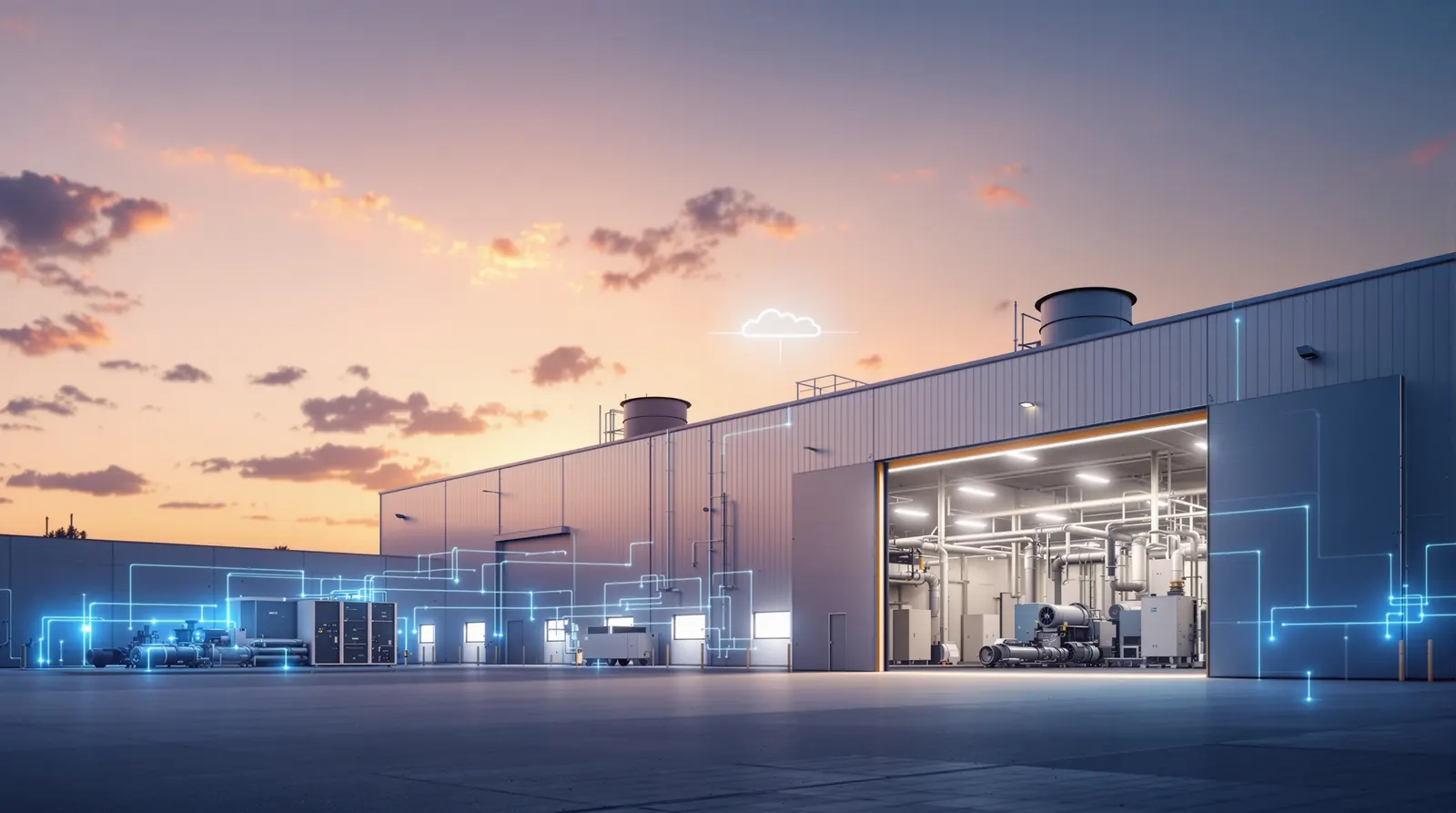
Industry and utilities: utilities matched to production
Chillers, compressed air, steam, workshop heating: KiTwin aligns utilities with production schedules, without risk to operations.
Your challenges
Utility costs
Plants sized for peak load, running flat out outside production hours.
Continuity
No decision may put production at risk: local safety always comes first.
ISO 50001
Indicators and action plans to track over time.
The Kipsum solution
- KiTwin on utilities: setpoints aligned with production schedules
- ABB BuildingPro Edge Large controllers for large sites
- Energy management and performance contracts
Regulations
Tertiary decree. On an industrial site, only office-type areas (offices, staff facilities…) of 1,000 m² or more are covered; production areas are outside its scope. Targets: −40% consumption by 2030, −50% by 2040, −60% by 2050, with an annual declaration on OPERAT.
BACS decree. If the heating or cooling system exceeds 290 kW, a BMS of at least class C has been mandatory since 1 January 2025; above 70 kW, the deadline is 1 January 2030. All about the BACS decree
Client result
−14%
heating consumption
€63,000
saved per year
< 1 year
payback
50,000 m² industrial site. Heating dropped from 10,000 to 8,600 MWh a year with KiTwin. See all our case studies
Frequently asked questions
Can optimisation disrupt production?
No. Setpoints follow production schedules, and local safety functions always take priority.
Which utilities can you control?
Workshop heating, cooling production, compressed air, ventilation and some processes such as paint booths or furnaces.
Does Kipsum fit into an ISO 50001 approach?
Yes: KiBoard tracks energy performance indicators and measured savings, useful for the action plan and reviews.
Logistics
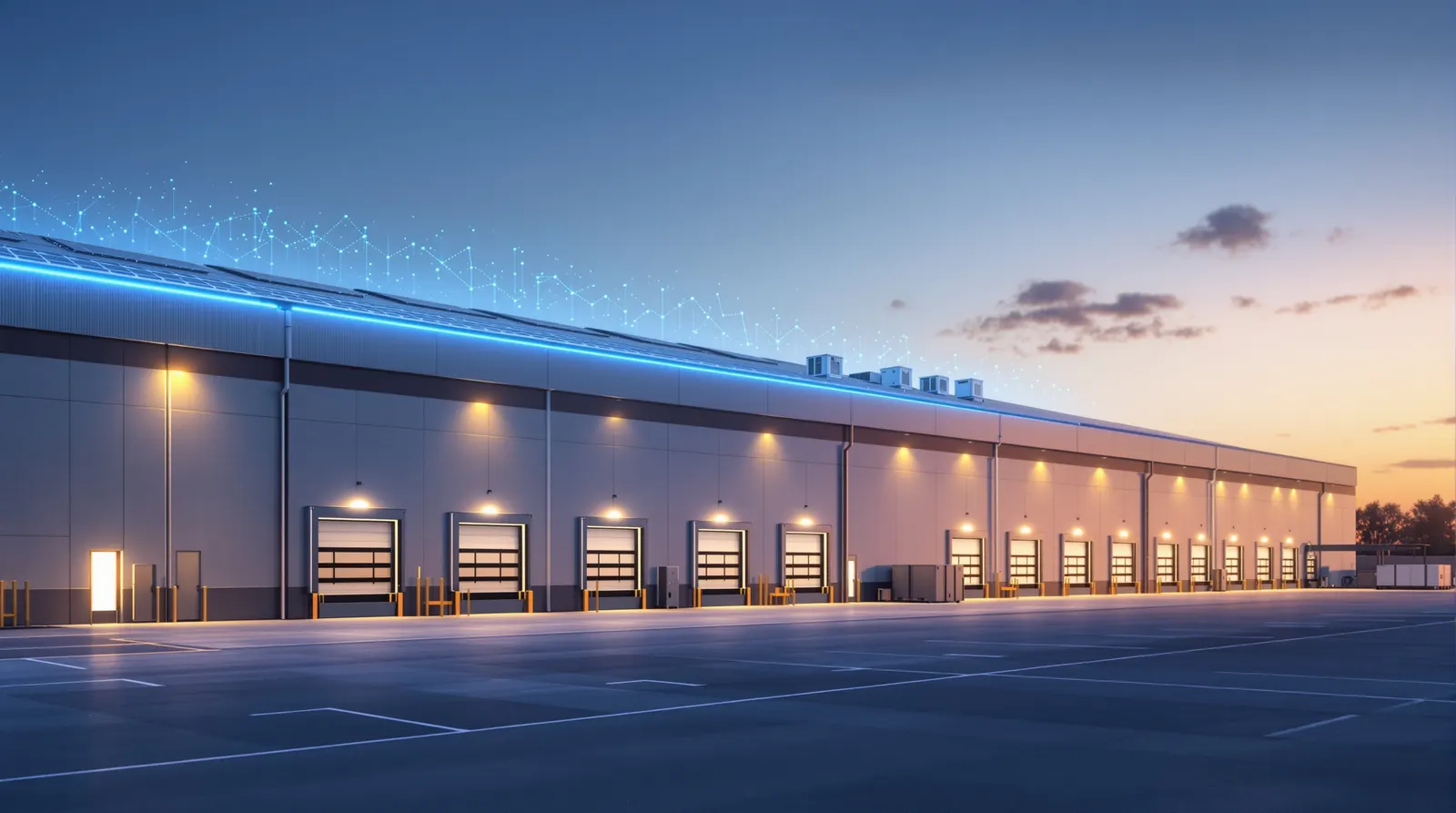
Logistics: cut the energy cost of every parcel handled
Warehouses of tens of thousands of m², open docks, heated units: Kipsum runs your energy use at the pace of your operations.
Your challenges
Large heated volumes
Units heated around the clock, whatever the actual activity.
Docks and openings
Heat losses from truck traffic and open doors.
Tertiary decree
Reduction targets to meet and report on OPERAT.
The Kipsum solution
- Complete BMS: heating, lighting and metering per unit
- KiTwin: setpoints aligned with activity and weather
- Energy management: monthly review and action plan
Regulations
Tertiary decree. Warehouses and logistics platforms whose non-residential floor area reaches 1,000 m² are subject to the French tertiary decree: −40% consumption by 2030, −50% by 2040, −60% by 2050, and an annual declaration on OPERAT.
BACS decree. If the heating or cooling system exceeds 290 kW, a BMS of at least class C has been mandatory since 1 January 2025; above 70 kW, the deadline is 1 January 2030. All about the BACS decree
Specific to logistics. For CEE funding of the BMS (sheet BAT-TH-116), warehouse, storeroom and storage areas are excluded from the calculation: only the site’s other managed areas (offices, staff facilities…) count. We check which subsidies are actually available during the audit. CEE funding
Client result
−20%
heating consumption
€21,000
saved per year
< 1 year
payback
20,000 m² logistics warehouse. Heating dropped from 2,100 to 1,680 MWh a year with KiTwin. See all our case studies
Frequently asked questions
Can unit heating be reduced without risk to the goods?
Yes. Setpoints are defined unit by unit and respect the minimum temperatures required by the stored products. KiTwin anticipates weather and activity to heat only what is needed.
Don’t docks and open doors undermine the optimisation?
No: KiTwin models infiltration and openings, and learns their effect from real measurements. Setpoints take them into account rather than suffering from them.
Is our warehouse subject to the tertiary decree?
Yes, once the non-residential floor area, storage included, reaches 1,000 m². KiBoard produces the consumption reports needed for the OPERAT declaration.
Let’s talk about your buildings
A Kipsum expert reviews your situation and estimates potential savings.